Describe the goal
Identify the project type, general location, current condition, and intended use. Follow-up can clarify whether the request fits available concrete services and what conversation should happen next.
A simple place to begin
Starting a concrete project in Yuma, Arizona can be as simple as naming the service, neighborhood or city, and desired outcome in a brief form or conversation.
Start a Concrete Project Request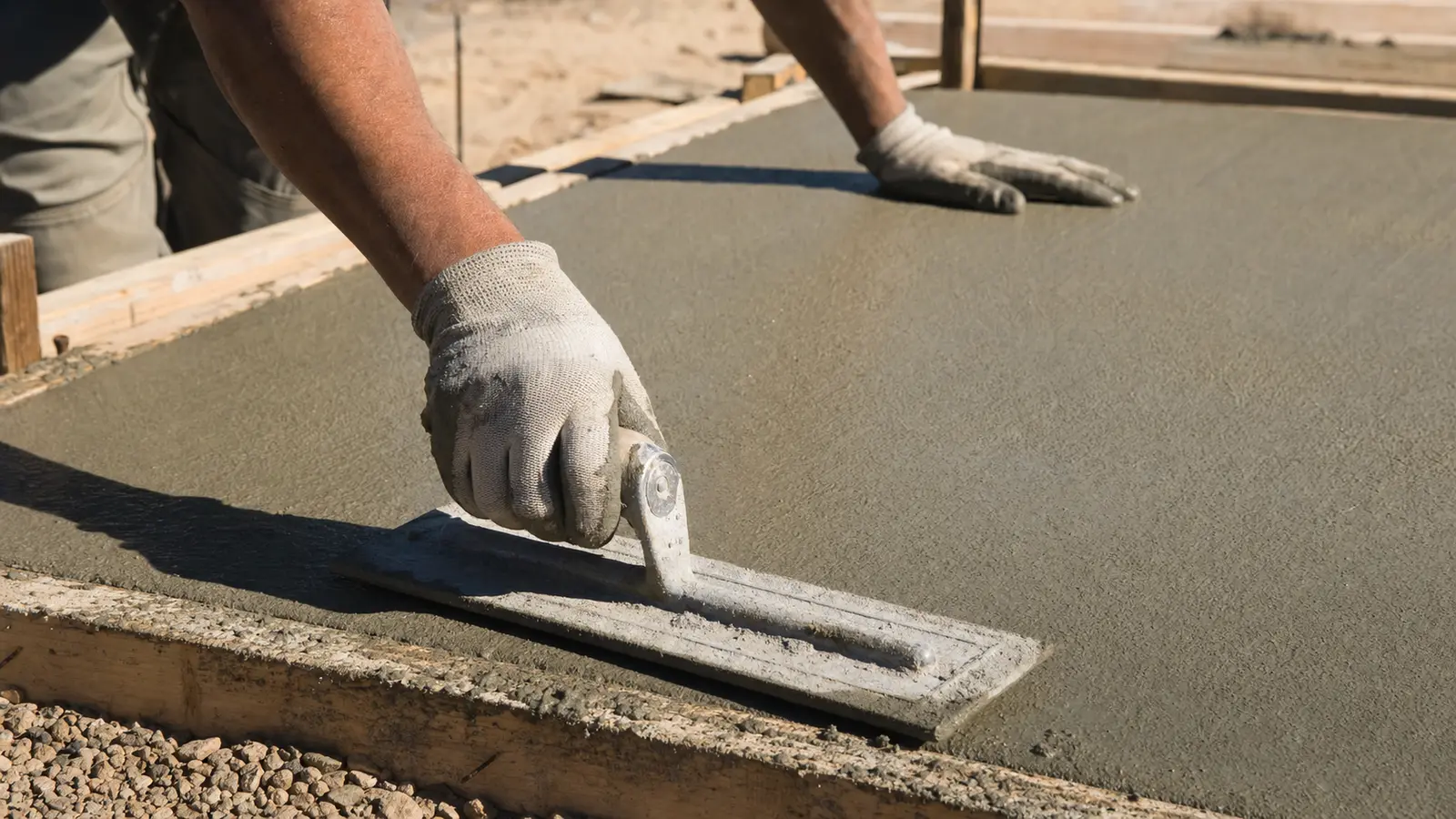
You do not need final measurements, technical vocabulary, material specifications, or a complete design before reaching out. A useful opening can be brief: “I am considering a patio in Yuma,” or “My driveway has a raised cracked section.” Add the general location and the result you want if you know it. The Start a Concrete Project Request provides simple prompts, and the contact page works for general questions.
Approximate dimensions, access notes, and timing preferences can help when readily available, but they are not admission requirements. A site review is where elevations, support, drainage, transitions, utilities, and practical placement access can be considered accurately.
Identify the project type, general location, current condition, and intended use. Follow-up can clarify whether the request fits available concrete services and what conversation should happen next.
An on-site evaluation can address boundaries, grade, drainage, base conditions, demolition, access, nearby structures, and transitions. Yuma heat and expected weather should inform placement and curing discussions.
Review dimensions, preparation, concrete details, joints, reinforcement approach, finish, curing, cleanup, schedule assumptions, payment terms, responsibilities, and exclusions before authorizing work.
Once a scope and schedule are accepted directly with a concrete professional, pre-work details can include utility-location responsibilities, permits where applicable, access, protection of adjacent areas, removal, grading, forms, and base preparation. Any owner responsibilities should be stated clearly rather than assumed. Weather and site conditions can require scheduling adjustments, especially when heat, wind, or storms affect safe placement and curing.
Before concrete arrives, boundaries, elevations, drainage direction, penetrations, and finish expectations should be understood. Changes are easier to address while they remain marks and forms than after the material is placed.
Placement involves delivery, consolidation, strike-off, finishing, joint work, and the start of curing. The specific sequence depends on the project and conditions. Access restrictions while concrete gains strength should be communicated for the actual mix, weather, and use rather than reduced to a universal rule.
Closeout should cover cleanup, care guidance, when the area may be used, and any remaining responsibilities. Keep the accepted scope and payment records with your project documents.
No. A rough sense of the area is optional at first. The service type, general location, and goal are enough to open the conversation.
They should be considered during scoping and confirmed before placement. Both affect elevations, preparation, forms, joints, and the usable result.
You should verify licensing, insurance, permits, written scope, schedule, and payment terms directly with the professional being considered before hiring.